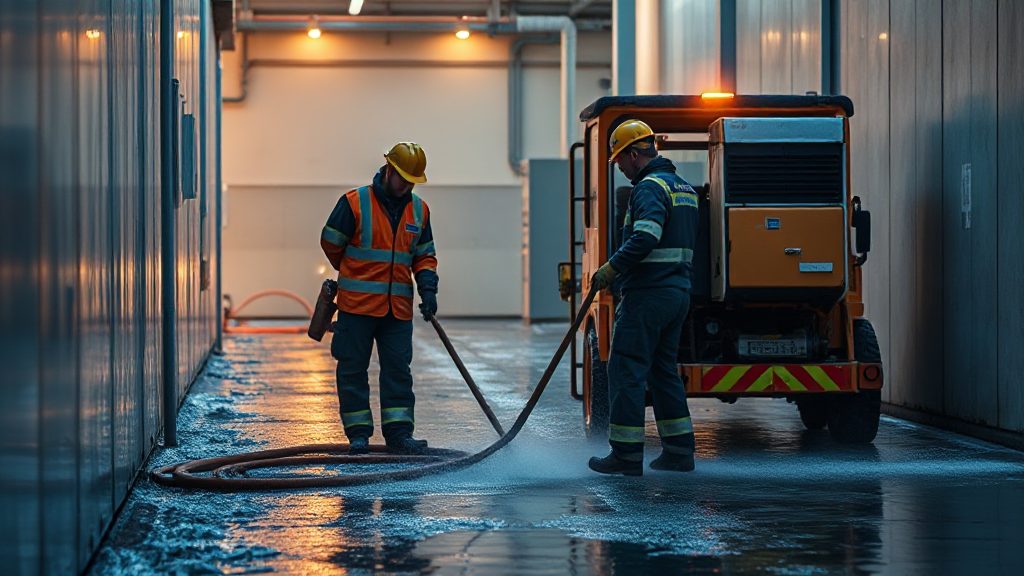
After the Crew Leaves: Verifying a Glicério Desentupimento Job
The truck pulling away is not the end of the job. In Glicério, the first hour after service tells you whether the fix will hold — and the first month tells you whether it was truly solved. When you hire a desentupidora Glicério São Paulo SP, the crew clears the line, but the responsibility for confirming the result is shared. This guide walks you through the exact checks a detail-oriented homeowner should run once the equipment is packed up and the invoice is signed.
1. Run a Flow Test in Every Affected Fixture
“Looks clear” and “is clear” are different things. A drain can appear to empty quickly while a partial blockage remains further down the line. Start by running hot water for two to three minutes in each fixture that was slow before the service — sinks, showers, toilets, floor drains. Watch how the water leaves, not just that it leaves.
A healthy drain empties with a steady swirl and no gurgling. If you hear bubbling after the water stops, air is still trapped somewhere in the trap or branch line. That is a signal to call the crew back before the problem re-sets. For a desentupidora Glicério job, the technician should have tested this before leaving, but a second pass by you costs nothing and catches what a rushed exit misses.
Test fixtures one at a time, not all at once. Running every tap simultaneously can mask a weak line because the pressure spreads across the system. Sequential testing isolates the exact point where flow slows.
2. Check for Odors at Drains, Cleanouts and the Fossa Lid
Sewer gas is the most reliable early warning that a blockage or seal problem remains. Walk through the property within the first hour and again the next morning. Pay attention to floor drains in laundry areas, the base of the toilet, and any cleanout cap the crew opened.
A faint smell right after service can be normal; a persistent rotten-egg odor is not. If the smell returns within 24 hours, the trap may be dry, a cleanout cap may be loose, or the line may still be partially blocked. In Glicério’s older residential buildings, dry traps are common in unused bathrooms, so run water in every drain weekly to keep the seal intact.
If the property has a septic tank, check the area around the lid for dampness or odor. A properly serviced fossa should not smell at the surface. Any seepage after a desentupidora em Glicério São Paulo SP visit is worth a follow-up call the same week.
3. Collect the Service Documentation Before You File the Invoice
Verification is easier when you have a paper trail. Ask the crew for a written record of what was done: which line was cleared, what equipment was used (manual auger, electric snake, hydrojetting), and whether any camera inspection was performed. A hydrojetting job, for example, should note the pressure range and the length of pipe treated.
Keep the service order, the technician’s name, and the date. If the same drain blocks again within weeks, that documentation is what lets you ask for a return visit under the service terms rather than paying twice. Documentation is your leverage if the problem recurs.
Photograph the cleanout caps and any access points the crew opened. Confirm each one was closed and sealed before the truck left. An open cleanout in a basement or garage is both a safety hazard and a direct path for sewer gas back into the home.
4. Inspect the Work Area for Collateral Damage
Desentupimento is a wet, mechanical job, and equipment can leave marks. Before you sign off, check the bathroom floor, the base of the toilet, and any wall or cabinet near the cleanout. Look for loose tiles, water stains on drywall, or disturbed caulking.
Hydrojetting in particular sends high-pressure water through the line, and older pipes in Glicério can be fragile. Any new damp patch near a pipe run deserves a second look within 48 hours. A small leak that appears after service is far cheaper to fix immediately than after it has soaked into a slab or ceiling below.
Also confirm the crew removed debris — roots, grease clumps, or paper pulled from the line. Debris left in a bucket or on the floor is a sign the job was rushed, and it is worth mentioning when you call to confirm completion.
5. Confirm the Root Cause Was Addressed, Not Just the Symptom
A cleared drain is not the same as a solved problem. Ask the technician what caused the blockage: grease buildup, tree roots, collapsed pipe, or foreign objects. The answer determines what you should do next. Grease in a kitchen line calls for a change in how you dispose of cooking oil. Roots in a garden line call for a camera inspection and possibly a repair.
If the cause was never identified, treat the job as temporary. Repeat blockages in the same spot usually mean the underlying defect was never fixed. A reputable crew will tell you honestly when a line needs more than clearing, and that honesty is worth more than a quick flush.
For commercial properties or condominiums, share the cause with whoever manages maintenance. A single cleared line in a shared building often points to a branch serving several units, and preventive hydrojetting on a schedule can stop the next emergency before it starts.
The 30-Day Watch: What to Track After a Glicério Desentupimento
The real test of a desentupimento job is time, not the moment the water drains. Over the next 30 days, keep a simple log: dates when a fixture drained slowly, any odor, any gurgling sound, and any water you noticed where it should not be. Patterns emerge quickly, and a pattern is exactly what a technician needs to diagnose a recurring issue.
Re-test the affected fixtures once a week. Run water in unused drains to keep traps sealed. If nothing recurs within a month, the job most likely held. If the same symptom returns, call the company back with your log and your service documentation in hand — you will be describing a specific, verifiable problem rather than a vague complaint.
Verification is not distrust; it is part of responsible home maintenance. The crew that cleared your line did the visible work. The checks you run afterward are what turn a service visit into a lasting repair.